Business tools
Business tools turn activity into repeatable operations and measurable outcomes.
Projects and pipelines
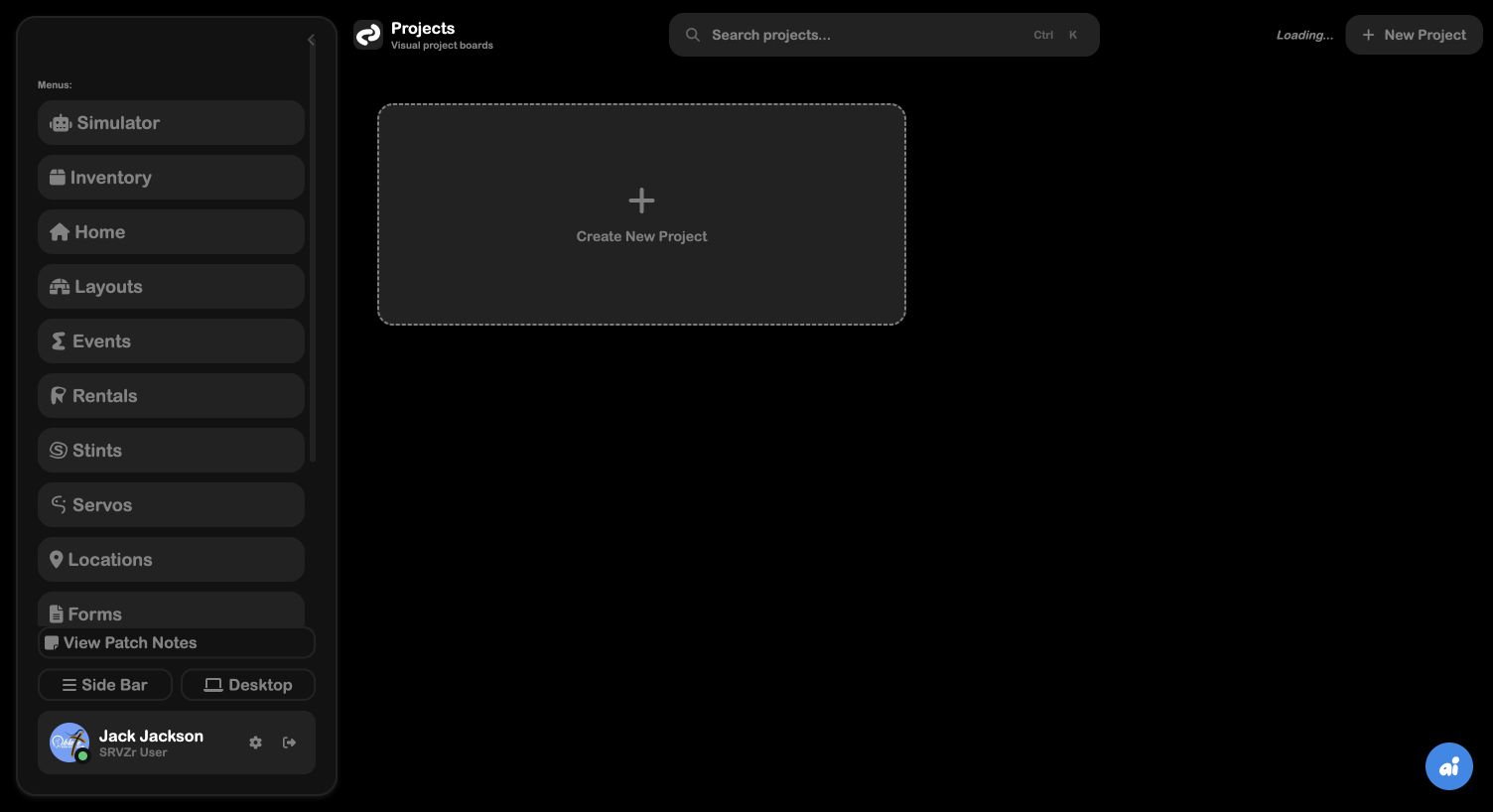
Projects is the visual home for initiatives that need stages, ownership, and progress. Create a project when the work has a beginning and an end; use a Flow when the steps should become reusable automation. Deals is the opportunity pipeline from qualification through close. Keep the customer relationship in Customers and use the deal to track commercial momentum.
Flows and Forms
Flows define reusable process logic. Forms define the structured data collected at a step. A practical sequence is: design the form, connect it in Flow Builder, validate the graph, simulate it, then publish the flow. See Nodes & Connections for node-level behavior and Diagnostics for the validation loop.
Customers and communication
Customers are durable identity records. Link requests, services, rentals, events, deals, and messages to the customer instead of duplicating contact data. Mail provides Inbox, Starred, Sent, and Compose; Chats keeps conversational work close to its operational context.

Analytics and expenses
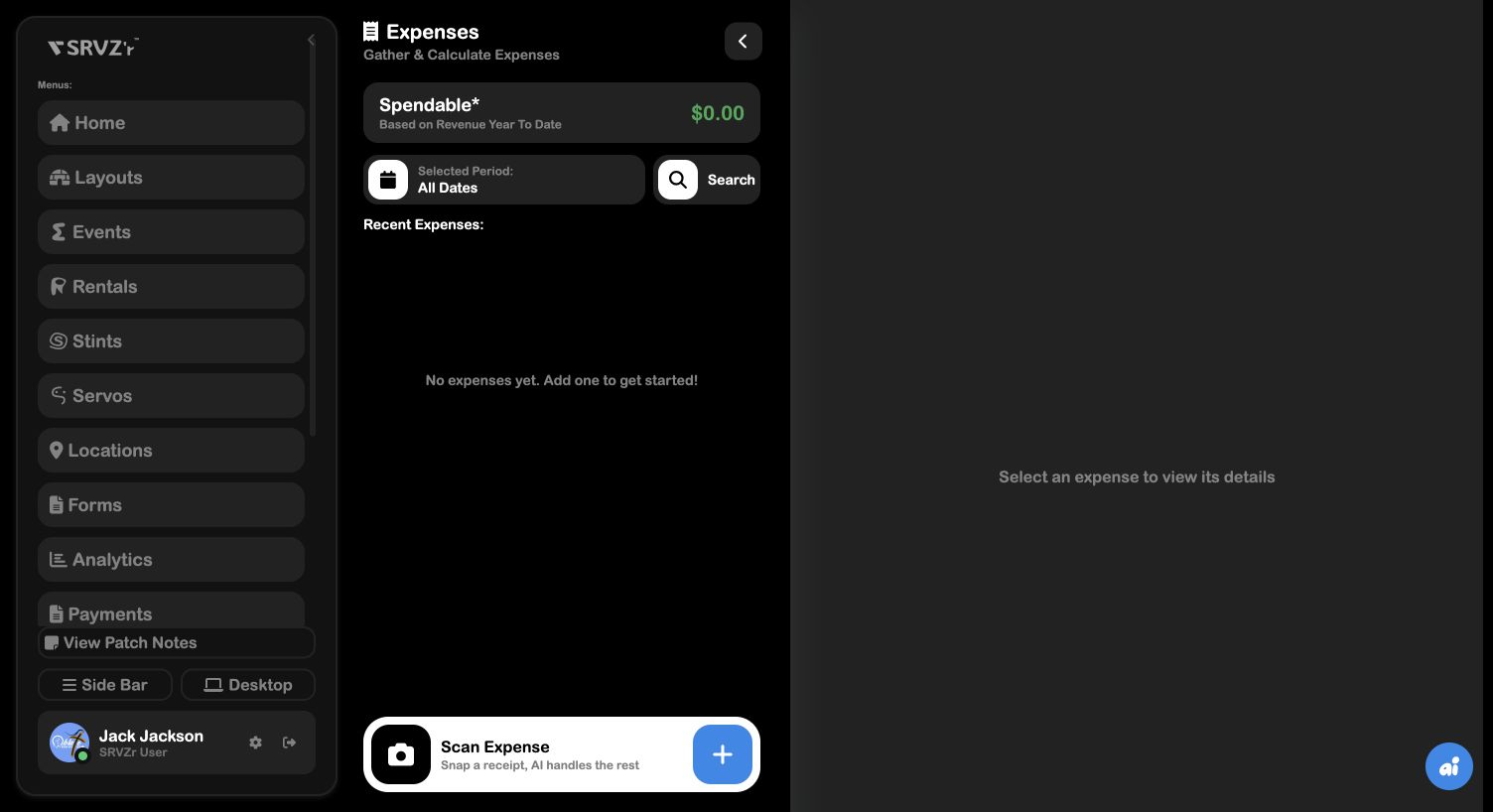
Use Analytics after the operating records are in place: compare volume, conversion, fulfillment, and trends. Use Expenses to capture the cost side with Scan Expense or manual entry. The useful loop is revenue record → delivery record → expense record → analysis.
Assets and Banks
Assets holds shared domains, phone numbers, and connected resources. Banks organizes reusable platform data. Treat both as shared infrastructure: name entries clearly, avoid duplicates, and document which flow or team depends on each item.
End-to-end business checklist
- Create the customer or project.
- Capture intake in Requests, Chats, or Mail.
- Use Forms and Flows to standardize the work.
- Track the opportunity in Deals.
- Deliver through Services, Events, Rentals, or Stints.
- Reconcile Invoices, Payments, and Expenses.
- Review Analytics and improve the next flow.